Can improved Surface Finishing reduce warranty claims and customer complaints?
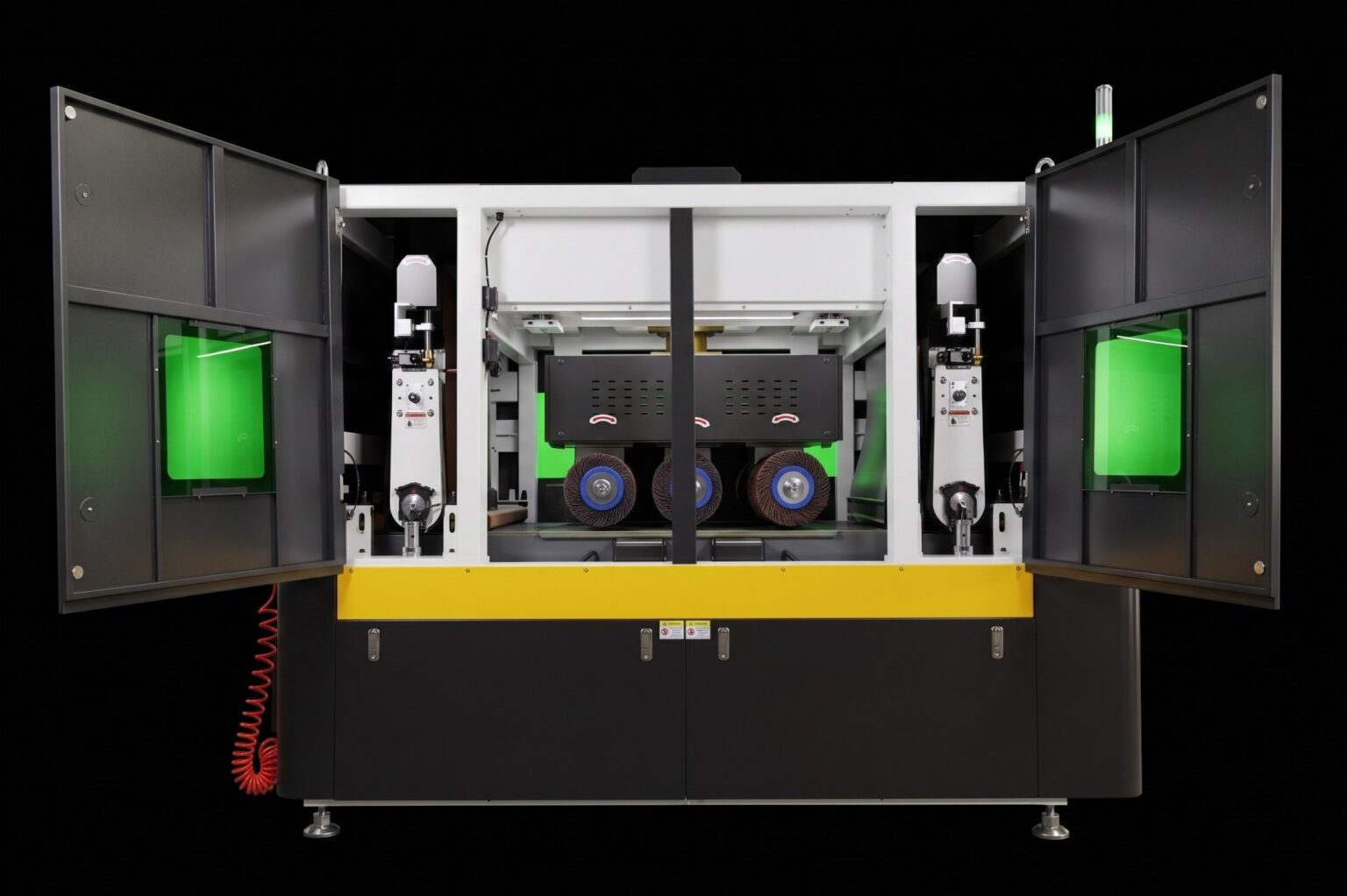
Introducing that in-depth inspection regarding automated tools created to perform edge smoothing provide transformed assembly operations, affording major progress across speed and standard. This guide discusses the distinct types of systems, containing buffing abrading units, circular systems, and cutting-edge CNC methods. We will delve into the merits of incorporating these advancements, such as decreased labor costs, enhanced product uniformity, and heightened manufacturing efficiency.
Rim Deburring Devices: Precision Refining Elaborated
Outline chamfering apparatuses offer a innovative solution for securing exact polishing on objects. Unlike manual processes, these programmable units deliver uniform effects and notably elevate production productivity. They often apply diverse grinding instruments like whirling burrs, lapping rotors, or bespoke configurations to extract sharp ends and imperfections. That kind of process is vital in a broad variety of applications, like automotive and technology.- Upgrade exterior standard
- Cut processing outlays
- Enhance capacity and effectiveness
Dross Elimination Mechanisms: Ensuring Untainted, Top-Notch Layers
Contemporary steelmaking practices reliably create significant amounts of slag, a byproduct that, if overlooked, can severely weaken the integrity of the material. Fortunately, advanced cleaning apparatuses offer a efficient solution. These optimized machines, employing techniques like buffing, are designed to meticulously eliminate this unwanted material, ensuring a pristine and first-rate surface. The resulting positive effects include decreased rejection rates, improved aesthetic appeal, and an overall surge in productivity. By utilizing innovative slag removal technology, manufacturers can consistently deliver exceptional surfaces and comply with stringent quality specifications.
Sheet Metal Finishing: The Benefits of Deburring Tools
Attaining a premium polish on sheet metal pieces is paramount for operation, and deburring machines supply major profits over traditional methods. Abating burrs promptly not only magnifies the external quality of the material, but also deters potential faults during assembly and deployment. Moreover, digital deburring processes raise production pacedness and minimize human fees.
Enhancing Sheet Metal Production with Automatic Deburring
With the goal to boost performance in sheet metal Surface Finishing workshop operations, adopt digital deburring systems. Conventional deburring is ordinarily time-consuming and vulnerable to deviations. Switching to computerized deburring supplies significant improvements, containing decreased workforce requirements, superior assembly standards, and increased output volumes. These spending will promptly break even.Opting for the Perfect Deburring System for Your Task
Evaluating the premier deburring mechanism for your specific needs involves a comprehensive assessment of several parameters. Foremost, study the variety of material you're working with – steel requires unique techniques than polymer. Following that, consider the volume and outline of the segments needing deburring. Ultimately, review your processing rate; a continuous operation necessitates a another type of apparatus than a intermittent one. Ignoring to consider these criteria potentially triggers faulty results and growing spending.
Edge System Technology: Directions and Advances
Recent burring instrument application is subject to rapid growth, spurred by the required for higher precision and output in activities procedures. Major developments include the merging of programmable solutions for elastic edge finishing processes, alongside progress in lapping system. We're additionally observing a acceleration in easily carried edge finishing systems optimized for particular tasks, and innovative procedures like electron beam deburring are earning popularity. The future implies towards amplified connectivity of surface smoothing units within the modern manufacturing site setting.
Refining Fabricated Section Durability with Edge Smoothing
Many fabrication processes for brass parts introduce sharp edges, which can result in stress clusters and flaws that jeopardize overall strength. Outline rounding, a simple yet impactful formula, offers a straightforward solution. It includes slightly polishing the pointed edges of a module during the machining stage. This cuts down stress points, strengthens fatigue capacity, and can avert fracturing. Benefits are further amplified when dealing with complicated designs or parts subjected to major burden. Considerations include the ideal rounding of the round and its influence on coupling with other parts.
- Lowers Stress Regions
- Enhances Functional Ability
- Prevents Breaking
Residuum Discharge vs. Deburring : Recognizing the Separations
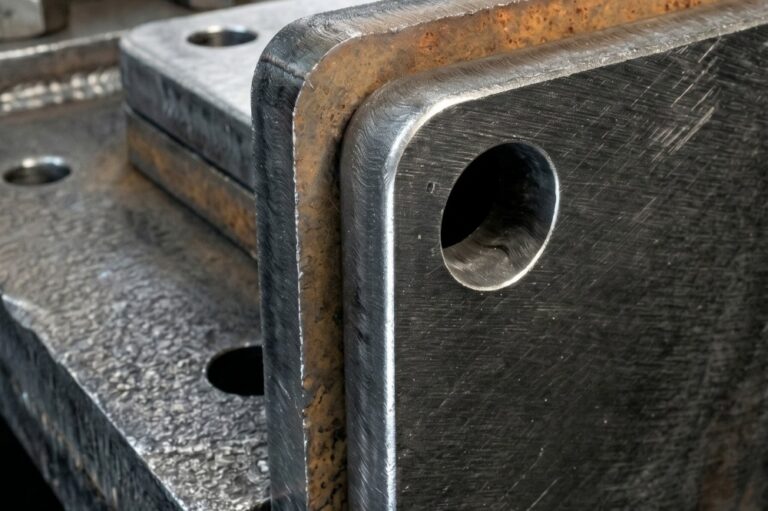
While many technicians use the labels “slag processing” and “deburring” synonymously, they denote distinct approaches in metal industrial methods. Edge cleanup focuses on cutting away the sharp, often tiny, burrs created during machining operations—these are excess fragments of non-ferrous left on the segment. Residuum removal, conversely, addresses this remnant – typically a concoction of unwanted elements – that emanates during processes like shaping. Essentially, deburring deals with secondary lips, while slag disposal deals with such leftover of a diverse operation. In summary, automated deburring and residue removal devices are important components of modern metal workshop that support exceptional finished products with limited defects and optimized efficiency.Completing this overview highlights the critical role of advanced automated deburring technologies in shaping manufacturing standards and helping businesses obtain superior productivity and grade.